
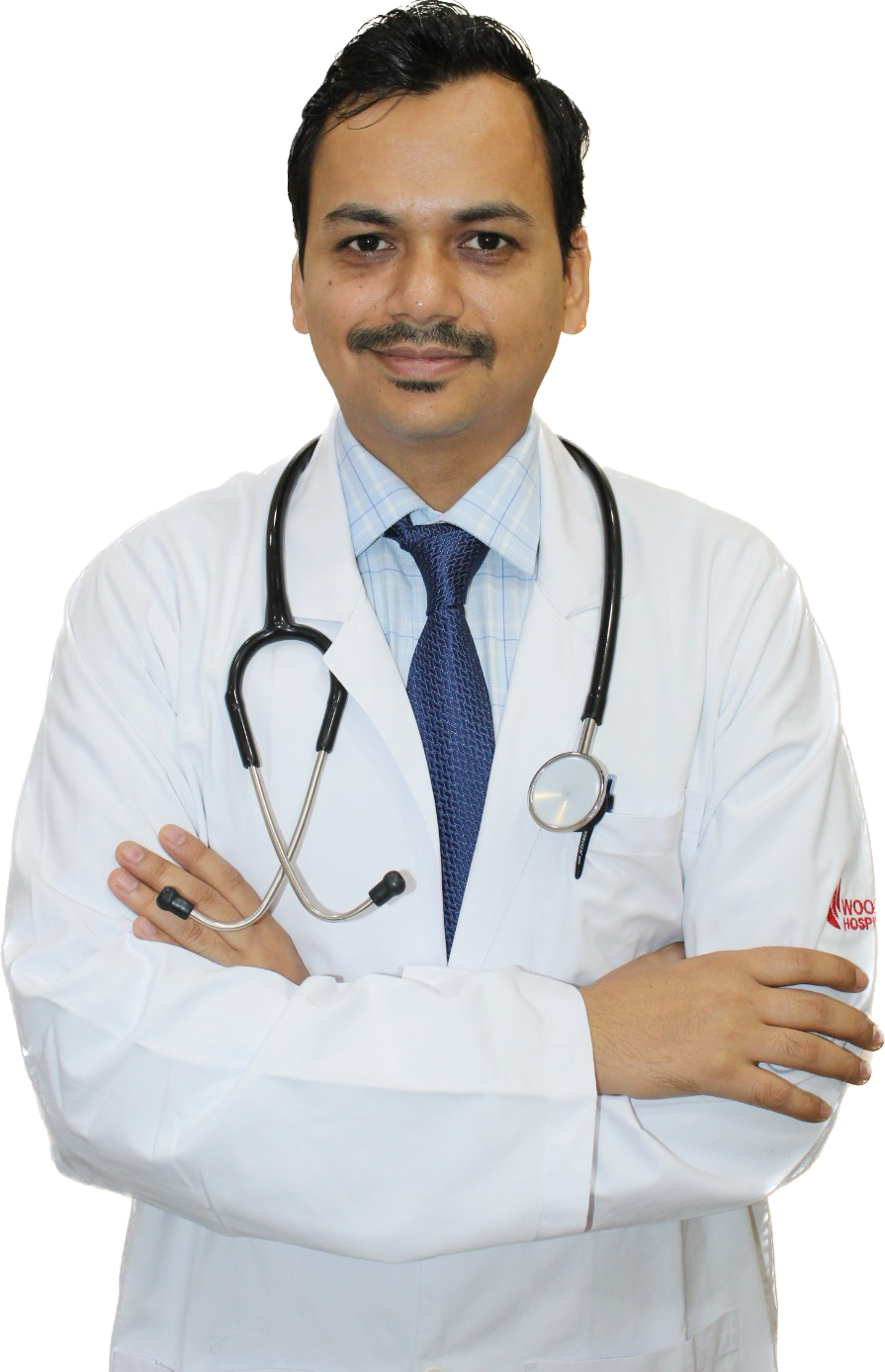
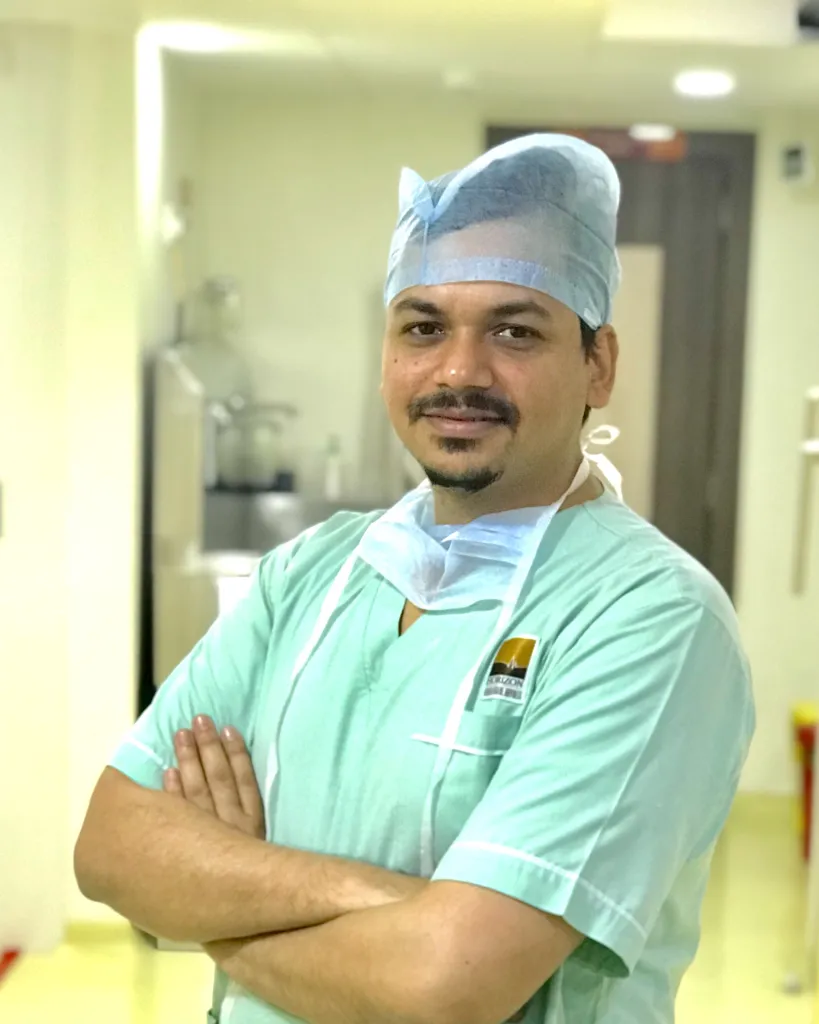
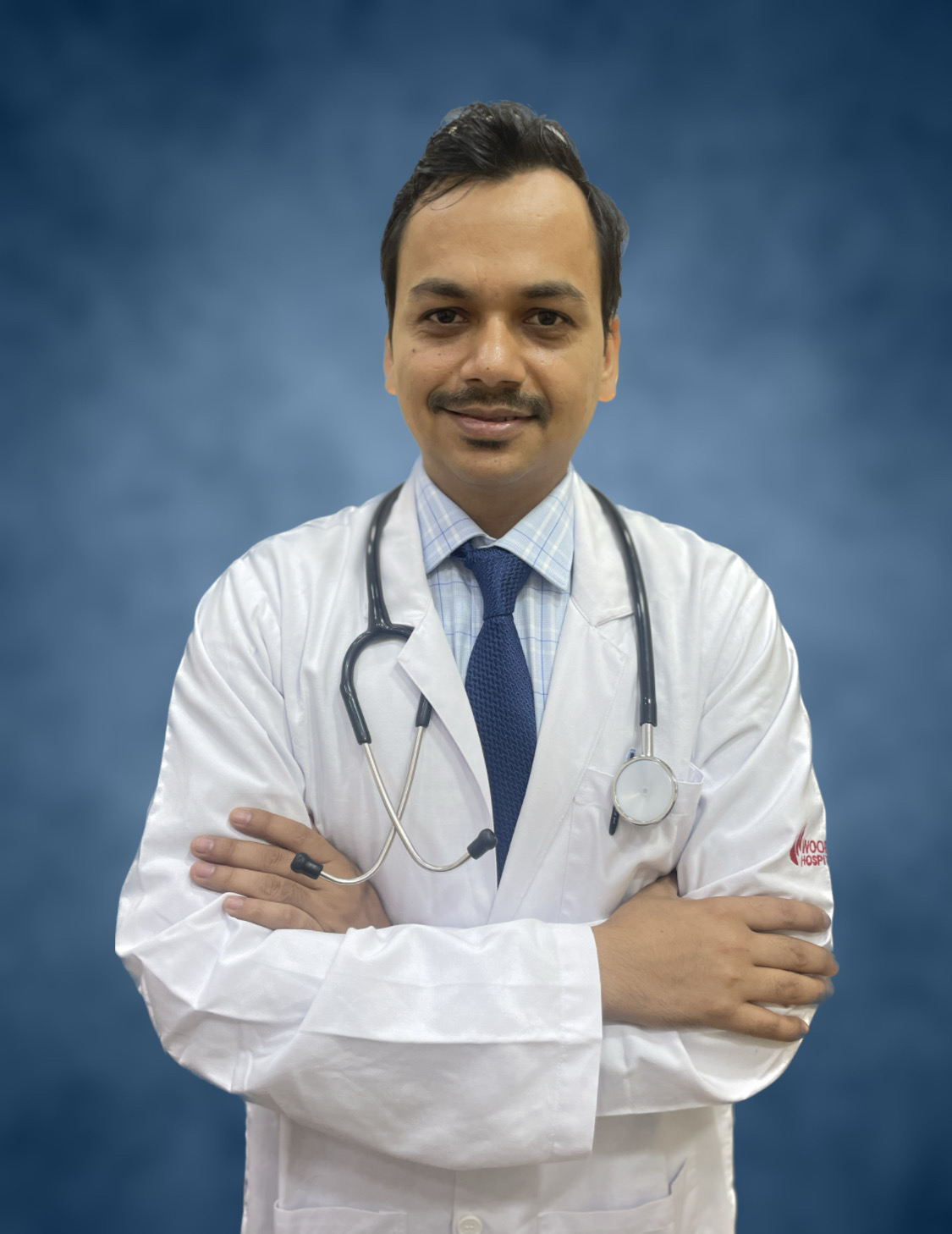
A dedicated Head and Neck Surgeon with a decade of specialized experience in Oral Oncology, Microvascular Reconstructive Surgery, and Advanced Tumor Management. Known for successfully managing complex and recurrent cancer cases with a focus on functional rehabilitation.
Early detection is the most critical factor in oral cancer survival. If you are experiencing any of these symptoms for more than 2 weeks, consult a Head & Neck Oncosurgeon immediately.
A sore on the tongue, lip, or cheek that bleeds easily and does not heal after 14 days.
Pain or a persistent feeling of food getting stuck in your throat (Dysphagia).
Leukoplakia (white) or Erythroplakia (red) patches inside the mouth or on the gums.
A painless swelling or hard mass in the neck that grows slowly over time.
Choosing the right cancer surgeon can make a life-changing difference. Dr. Manish S. Tiwari is trusted by patients across Kolkata and Eastern India for delivering advanced, ethical, and patient-focused cancer care.
With over 10+ years of experience in Head & Neck Oncology, Dr. Manish S. Tiwari specialises in treating oral cancers, including tongue cancer, buccal mucosa cancer, and jaw tumors.
"The moment I think of Dr. Manish Tiwari, what first comes to my mind is his smiling face. He had been extremely caring from the very first day of surgery, boosting up positivity."
Beyond cancer removal, focus is placed on restoring quality of life. Expertise in microvascular free flap reconstruction (like ALT flap) helps patients regain speech, swallowing, and facial appearance after major surgery.
"He is very supportive and caring... he gave me a new life which was impossible without him. Thanks a lot sir for this new and happy life."
Extensive surgical experience with more than 1500+ procedures ensures confidence in handling both routine and high-risk cancer cases, including recurrent and advanced-stage tumors.
"One of the best oral cancer surgeon... becoz my father had a very severe oral cancer and sir only cured it with all his experience. Now its been 4 years my father is all ok with no post surgery issue."
Every treatment plan is personalised. Clear communication, honest advice, and evidence-based decision-making help patients and families feel confident and informed throughout their cancer journey.
"I was worried about some redness on my tongue... I got a msg from Dr. Manish sir at 6am and I was completely shocked... Without any fees he talked to me and advised with all the details."
Treatment is coordinated with a team of oncologists, radiologists, and rehabilitation experts to ensure comprehensive cancer management—from diagnosis to recovery.
"What impressed us most was how Dr. Tiwari brought together the entire team—radiation experts and medical oncologists—to discuss my mother's case. We felt we had a complete, coordinated plan to beat the cancer."
Many patients consult Dr. Manish S. Tiwari for second opinions, especially when facing difficult decisions or previously treated/recurrent cancers.
"Dr. Manish Tiwari is the most grounded and humble doctor I came across in this oral cancer journey... I never had second thoughts after meeting him....he always made us fully satisfied with his diagnosis."
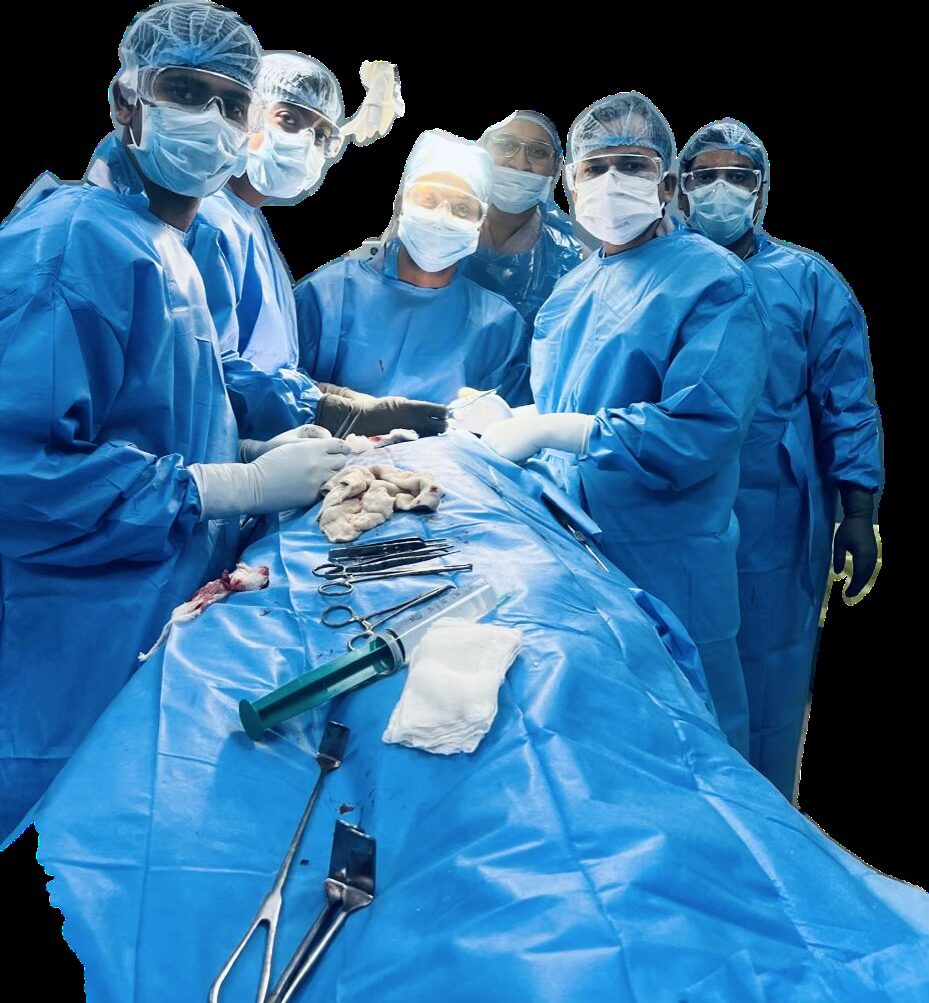
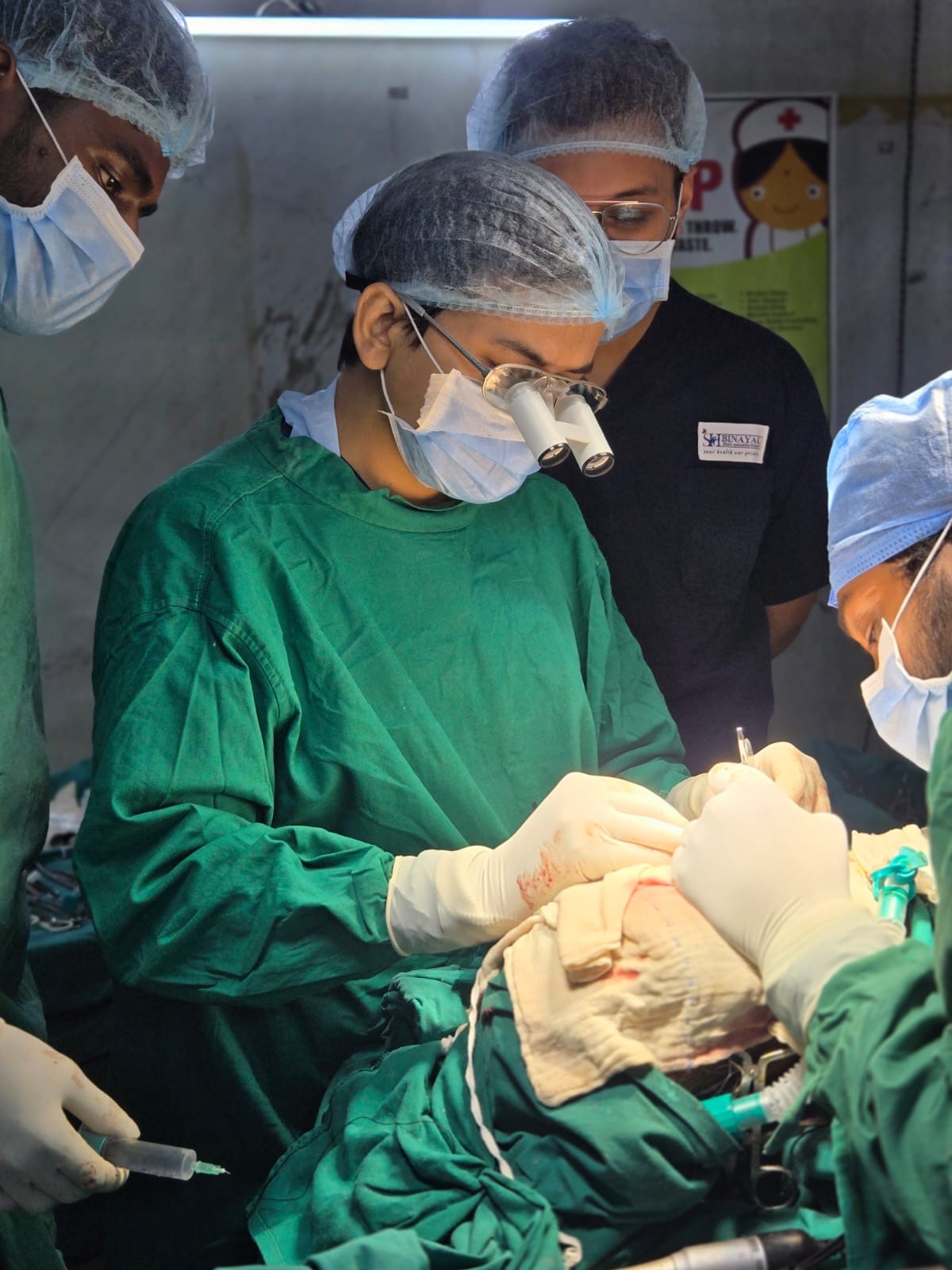
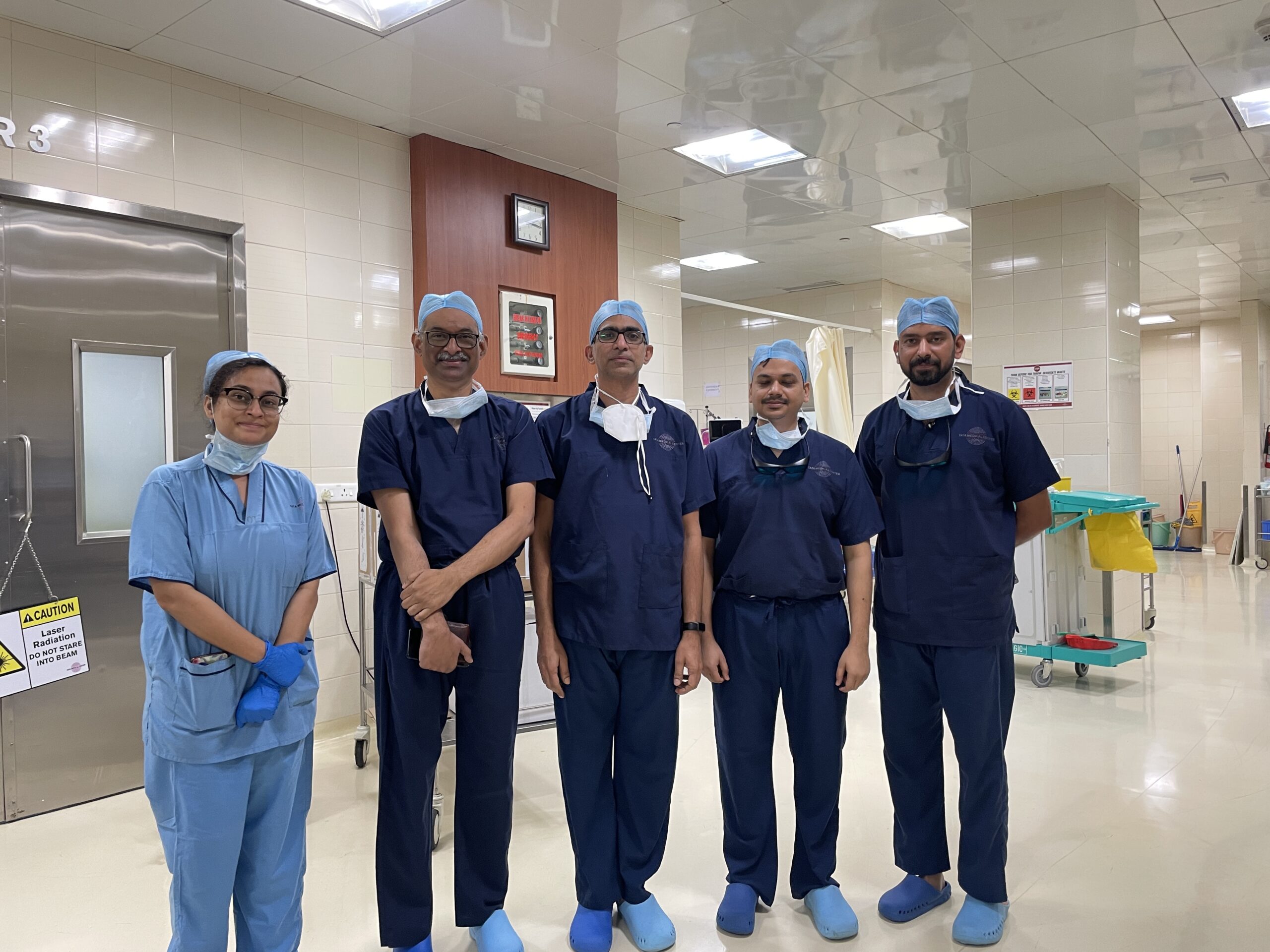
A glimpse into the multidisciplinary approach and high-end infrastructure utilized to perform life-saving oral oncology procedures.
Recovery after Oral Cancer Surgery
Tongue Cancer Treatment
Microvascular Reconstruction Journey
Lip Cancer Treatment
Patient's Wife's Review
Defeating Recurrent Cancer
Advanced Tongue Cancer Treatment
Complex Jaw Tumor Excision
Evidence-based, multidisciplinary patient care with a focus on complete tumor eradication and superior functional outcomes.
Expert surgical removal and reconstruction for Tongue Cancer, Lip Cancer, Buccal Mucosa Cancer, and Maxilla/Mandible Tumors.
Learn MoreSpecializing in Compartmental Clearance of ITF, Near Total Glossectomy, Robotic Surgery (TORS), and advanced recurrent salvage cases.
Learn MoreMastery in Free Flaps, Radial Forearm Flaps, Free Fibula Flaps, Anterolateral Thigh Flaps, and complex tissue integrations.
Learn MorePrecision surgical removal of complex jaw cysts, Ameloblastomas, and advanced OSMF Jaw Release procedures.
Learn MoreExpert nerve-sparing parotidectomy, deep cervical fascia rotational flaps, and targeted prevention of Frey's Syndrome.
Learn More[Lead Investigator for Clinical Trials] Access to Global Trials (NCT) involving advanced Photoimmunotherapy (PIT) & PDT.
Learn MoreAttached to elite medical institutions, ensuring you have access to the best facilities, advanced ICUs, and cashless mediclaim benefits.
 Core Attachment
Operating at top-tier facilities equipped with advanced surgical infrastructure for Microvascular Free Flap surgeries.
 Core Attachment
Providing comprehensive surgical oncology care backed by multidisciplinary tumor boards and intensive post-operative care.
 Specialized Oncology
Providing advanced, multidisciplinary Head and Neck Oncology care and precision tumor eradication at elite cancer centers.
 Premium Care Network
Delivering world-class surgical interventions and high-end reconstructions at a prestigious healthcare institution.
 Clinical Trials & Leadership
Consultant Lead for Clinical Trials, spearheading advanced targeted therapies and global protocols.
Dr. Manish S. Tiwari's surgical acumen was forged under the direct mentorship of India's most respected and internationally recognized Oncology pioneers.
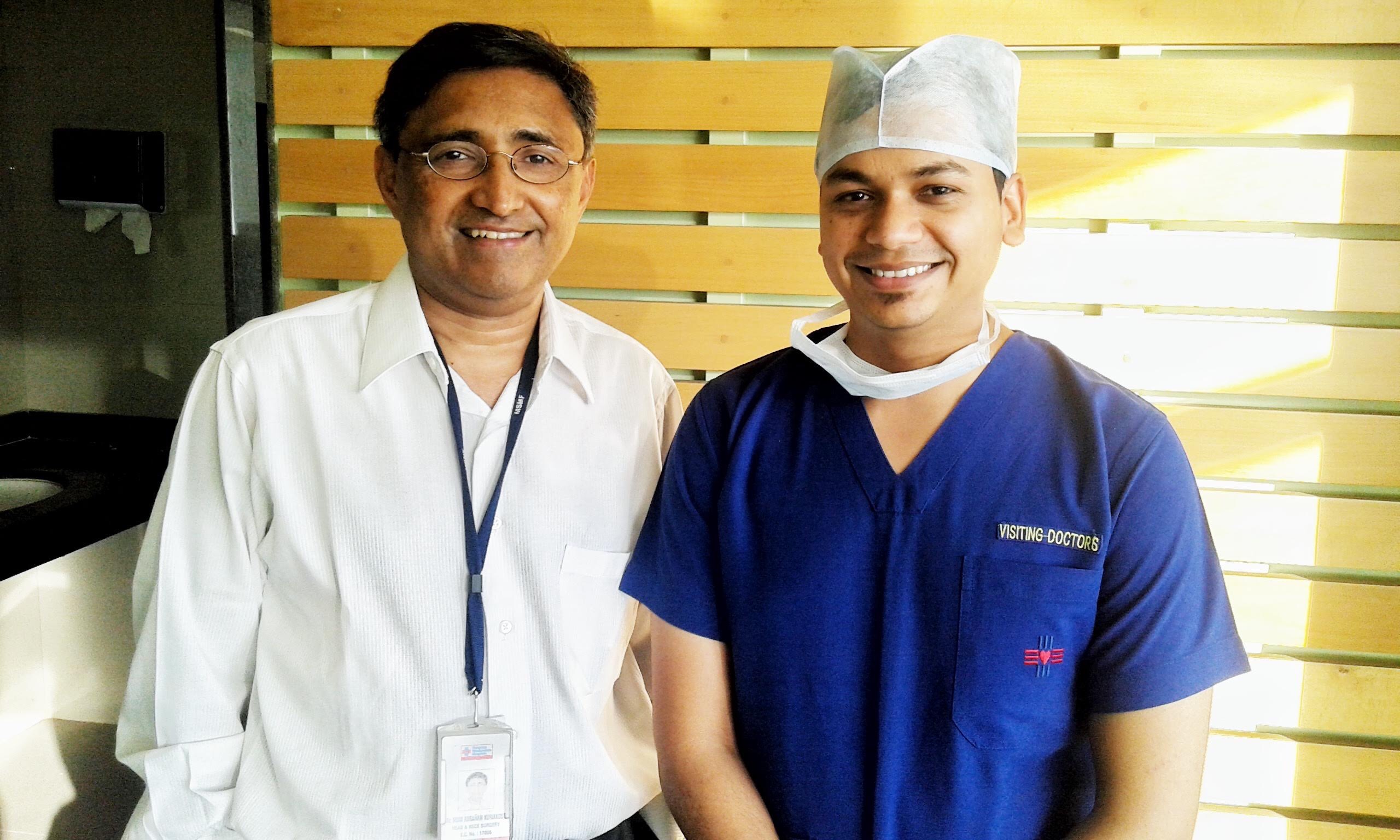
Global Pioneer in Head & Neck Oncology
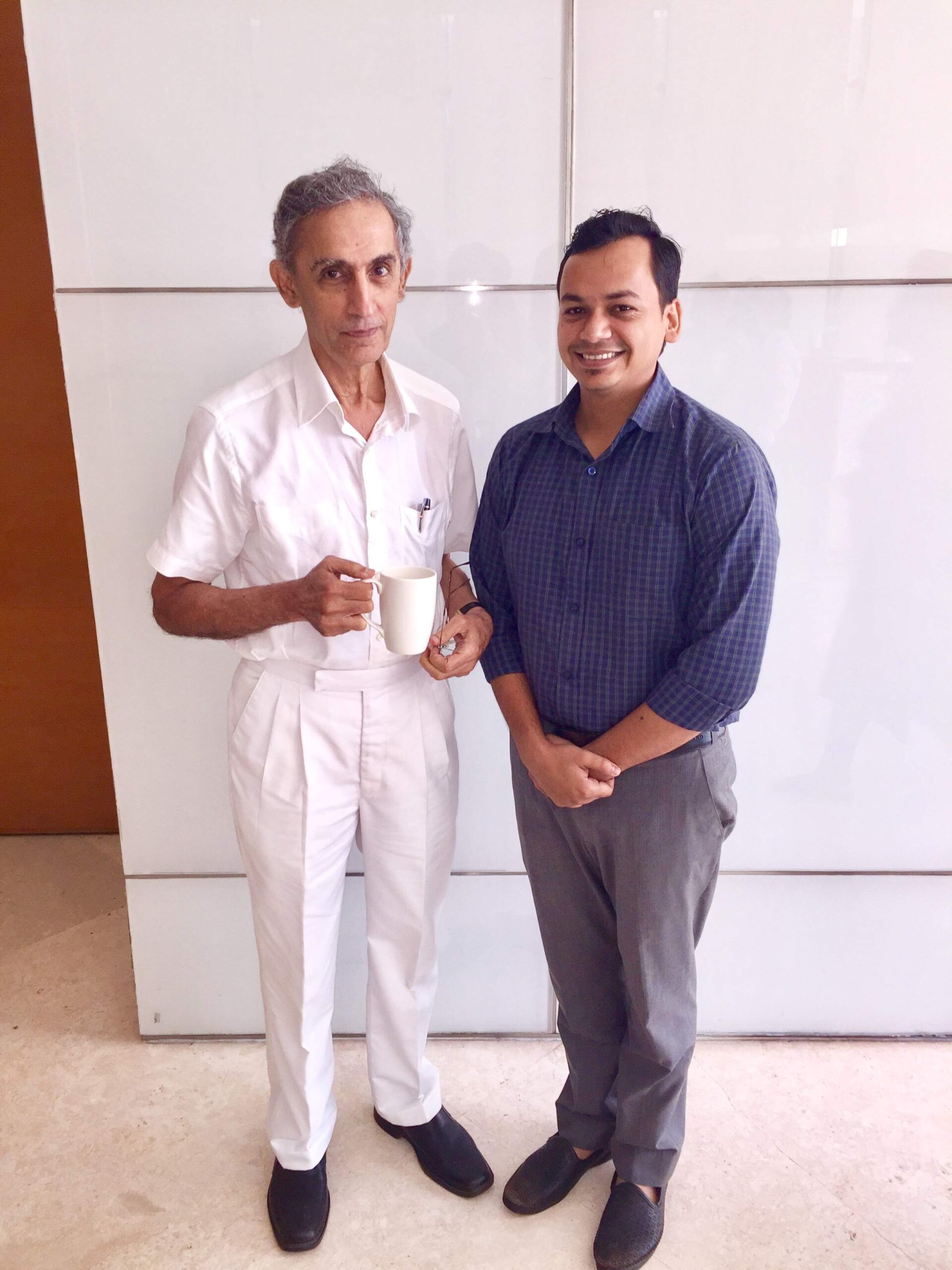
Legendary Surgical Oncologist (Prince Aly Khan Hospital, now Chief Oncosurgeon at HNCI, Mumbai)
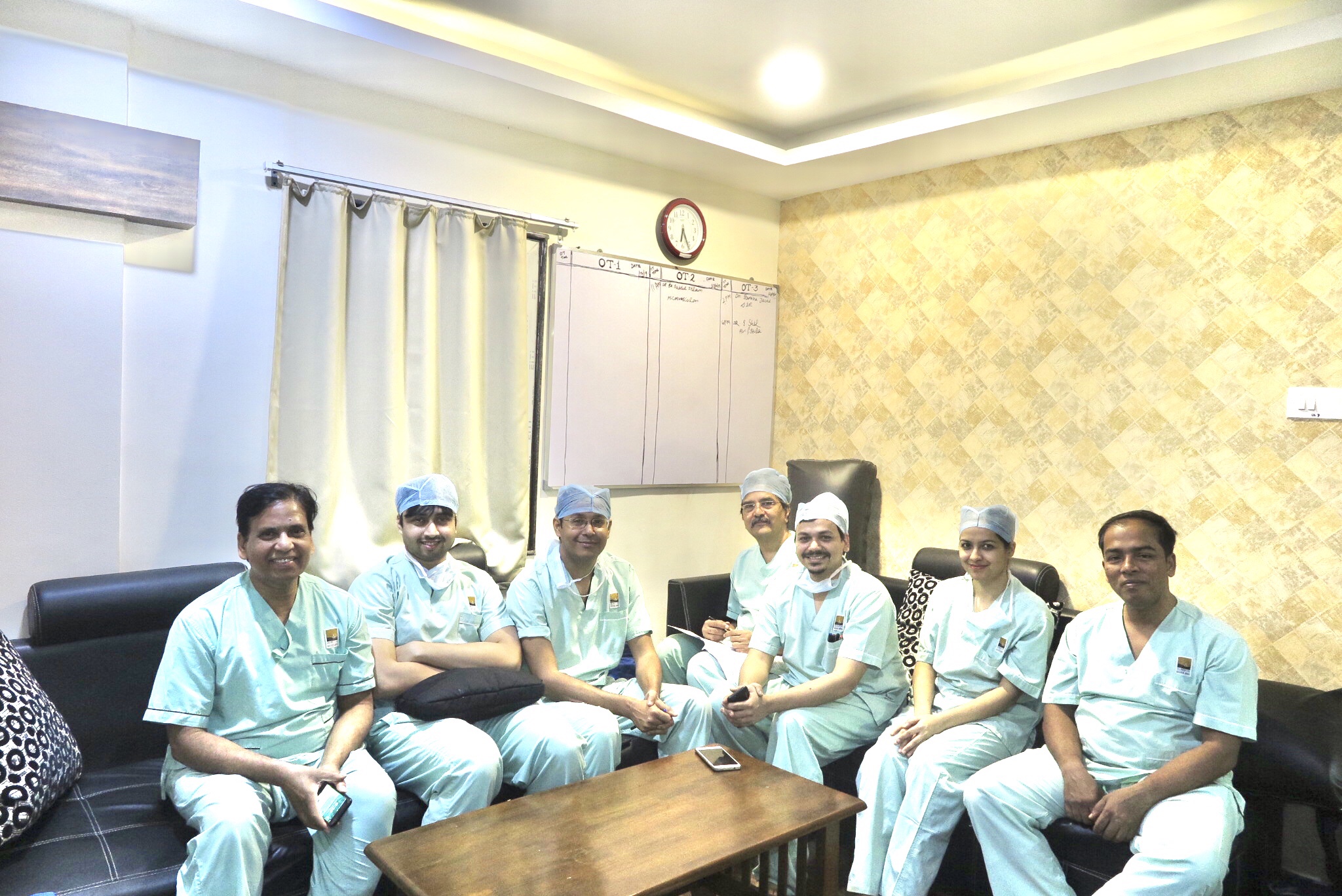
Eminent Oral Cancer & Microvascular Reconstructive Surgeon
Select a clinic from the directory below to view its location on the map. Appointments are strictly mandatory for all OPD visits.
Common questions regarding oral cancer treatment, second opinions, and booking consultations with Dr. Manish S. Tiwari.
Fill the form below and our clinical team will get back to you shortly to confirm your slot.