
Advanced surgical eradication of tongue malignancies (Glossectomy) followed by immediate microvascular free flap reconstruction to preserve your speech and swallowing.
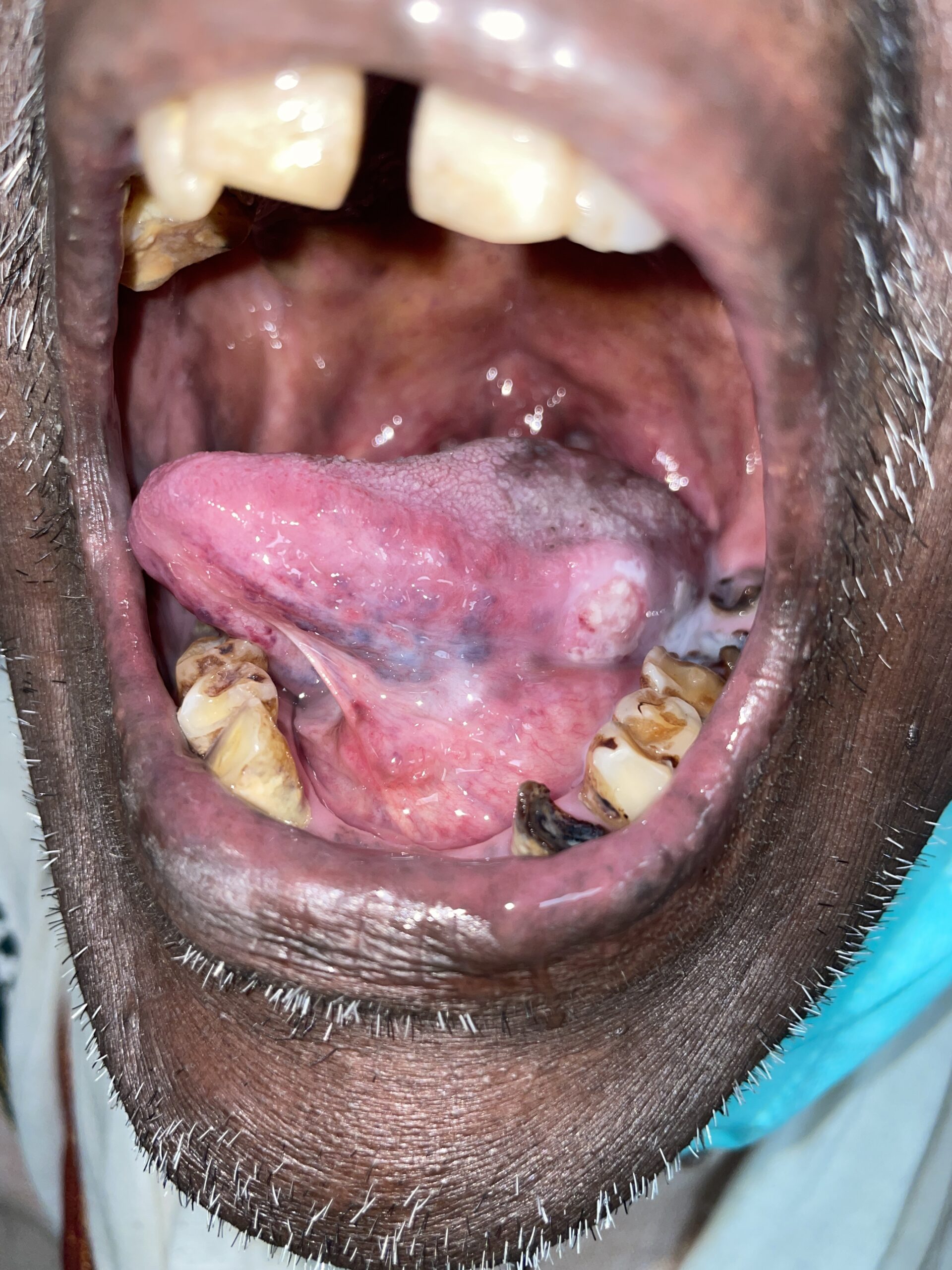
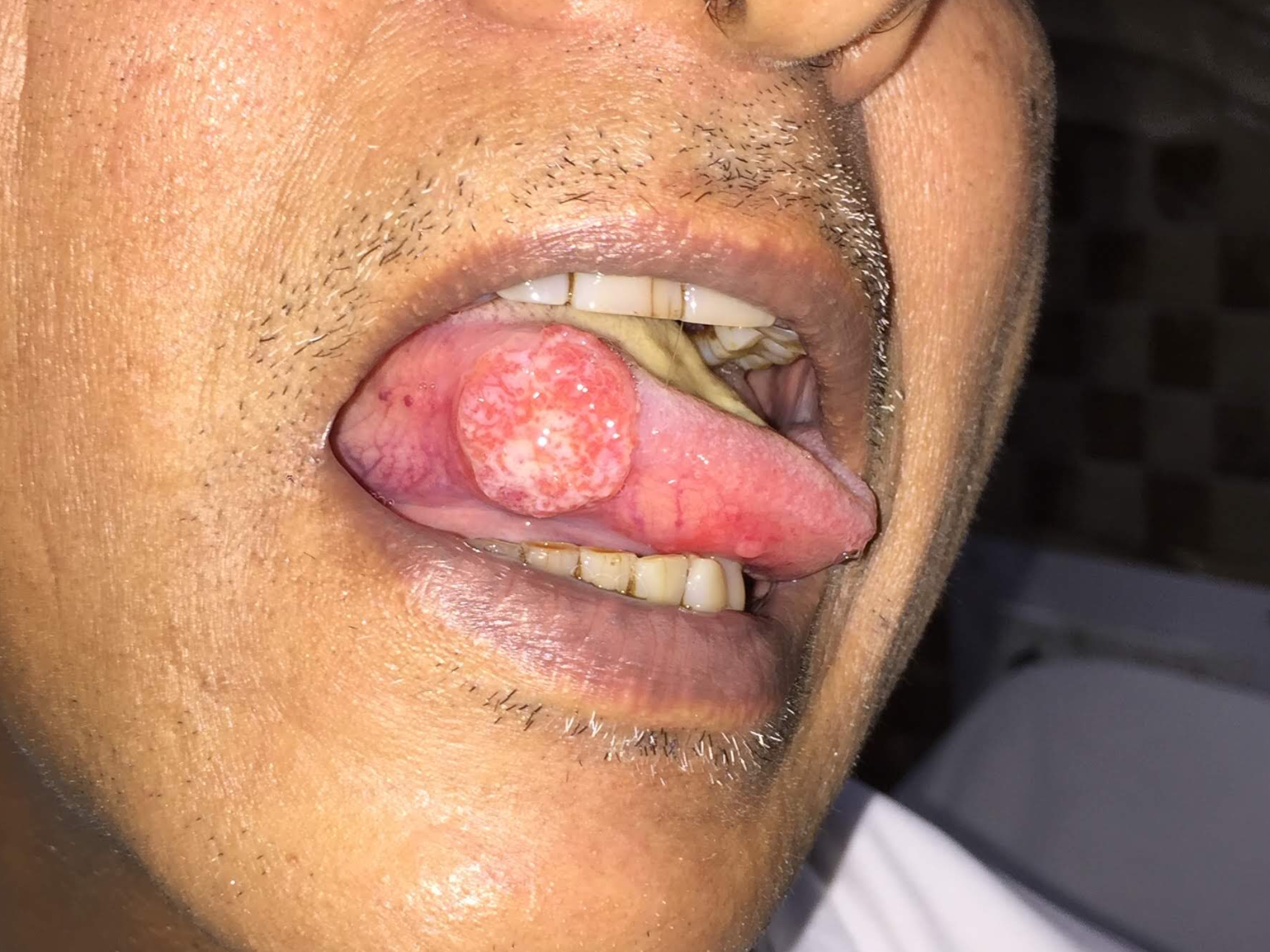
Painful or painless ulcers on the tongue not healing after 2-3 weeks.
Leukoplakia or Erythroplakia developing on the sides or base of the tongue.
Pain while chewing, swallowing, or restricted tongue movement.
A persistent lump or swollen lymph node in the neck area.
The surgical approach is strictly tailored to the tumor's size, depth, and location. Our goal is complete eradication (negative margins) with maximum functional preservation.
Performed for early-stage (T1 or T2) tongue cancers. A specific, small portion of the tongue containing the tumor is surgically removed.
Required for advanced-stage (T3 or T4) malignancies covering more than half of the tongue. This is a complex, life-saving procedure.
Dr. Tiwari's dual-focus approach ensures the cancer is cured while your quality of life is actively preserved during the exact same surgery.
Complete surgical excision of the tumor with clear margins, ensuring no cancer cells are left behind.
Tongue cancer frequently spreads to neck lymph nodes. We perform a prophylactic or therapeutic neck dissection to remove these high-risk nodes.
In the same sitting, we perform Radial Forearm (RAFF) or ALT Flap surgery. Tissue is taken from your arm or thigh and connected to blood vessels in the neck to rebuild the tongue perfectly.
Accurate staging dictates the extent of the glossectomy.
We do not leave you after surgery. Our team ensures comprehensive functional recovery.